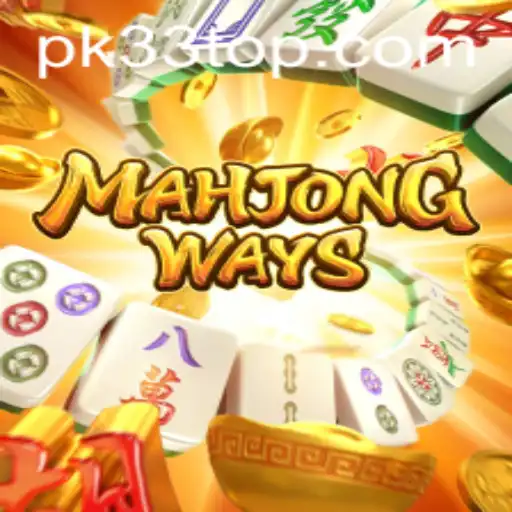
Understanding MahjongWays: A Modern Twist on a Timeless Classic
MahjongWays represents an intersection of tradition and modern gaming, bridging the gap between ancient wisdom and contemporary entertainment. Originating from the ancient game of Mahjong, MahjongWays introduces players to a dynamic and engaging gaming experience that is both strategic and immersive. With the integration of the keyword PK33, the game has adapted into a variant that appeals to a diverse audience seeking both challenge and relaxation.
The Origins and Evolution of Mahjong
Mahjong is a tile-based game that originated in China during the Qing dynasty and gained popularity throughout the world in the 20th century. Traditionally, the game is played with a set of 144 tiles based on Chinese characters and symbols. Despite its age, the fundamentals of Mahjong remain relevant, having adapted through various formats and styles over the years.
From Classic to Contemporary: Enter MahjongWays
MahjongWays takes its foundational elements from classic Mahjong, retaining the four-player dynamic and the goal of building sets (melds). However, its contemporary iteration includes digital features and aesthetic enhancements that are more aligned with today’s gaming landscape. Enhanced graphics, player-friendly interfaces, and the integration of elements like PK33 make the game appealing and accessible to both seasoned players and newcomers.
Decoding the Rules of MahjongWays
While MahjongWays introduces a fresh take on Mahjong, the core rules remain institutionally aligned with its traditional roots. It necessitates strategic thinking and quick adaptation to overcome the challenges it presents.
Basic Objections and Play Style
In MahjongWays, players aim to build a complete hand from the available tiles, just like in the classic game. A complete hand in MahjongWays typically consists of at least one ‘eye’ (a pair of identical tiles) and a combination of ‘melds,’ which can be either ‘pungs’ (three identical tiles) or ‘chows’ (a sequence of three consecutive numbers within the same suit).
Understanding Scoring and PK33 Integration
The integration of PK33 creates a unique environment for scoring in MahjongWays. The PK33 element refers to a modern rule adaptation that modifies how hands are scored, often introducing bonus rounds or point multiplicators based on specific patterns or hand completions. This adds an extra layer of excitement and strategy, as players must navigate both traditional scoring and explore the advantages of PK33's modern twist.
Strategic Depth and Player Engagement
MahjongWays distinguishes itself by incorporating strategic depth and player engagement mechanisms that are prevalent in today's gaming environment. Players must anticipate opponents' moves, orchestrate complex winning combinations, and adapt to the evolving board to secure victory.
The Role of Strategy in MahjongWays
Success in MahjongWays hinges on a player's ability to predict adversaries' tactics, conceal their own strategy, and exploit the PK33 scoring dynamics to their benefit. The game rewards long-term planning and adaptability, making every session a riveting mental challenge.
Engaging a Modern Audience
The digital format of MahjongWays allows for real-time play with global players, creating a sense of community and competition. The user-friendly interface and visually appealing design elements grants an inclusive platform for both Mahjong enthusiasts and casual gamers looking to indulge in strategic play.
Global Appeal and Cultural Relevance
With features like PK33 and its digital adaptation, MahjongWays has expanded its cultural relevance and global appeal beyond the confines of traditional Mahjong. It symbolizes a fusion of cultural heritage with the interconnectivity of modern technology.
Cultural Impact and Popularity
In today’s gaming culture, MahjongWays serves not only as a medium for recreation but also as a tool to preserve and disseminate Chinese culture and tradition worldwide. Its innovative features cater to a broad demographic, educating new generations on the legacy of Mahjong while capturing the zeitgeist of modern electronic gaming.